

Renewable Energy



AI in Energy: Why Progress Depends on People and Structure
AI adoption in energy operations has moved past debate. The real challenge, as Natalia Klafke, Executive Vice President of Energy and Sustainability at Radix, observed at Impact 2025, is execution: many companies have pilots and dashboards,…
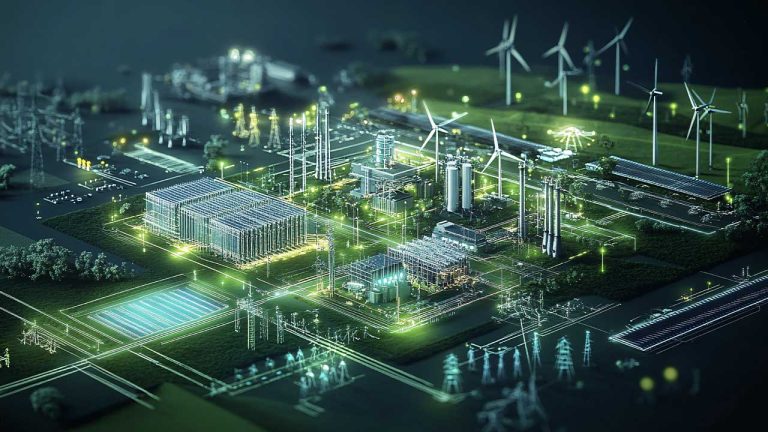
The future of reliable energy: How IIoT is powering smarter microgrids
IIoT technology converts industrial microgrids from simple backup power systems into intelligent, self-optimizing energy networks. Sensors, edge computing, and AI-supported analytics give facility operators at manufacturing plants, data centers, and remote operations sites real-time control over…

From Waste to Intelligence: AI’s Role in Powering the Circular Industrial Economy
The industrial sector generates billions of tons of waste annually, yet a growing number of manufacturers are using artificial intelligence to transform those waste streams into new sources of energy, raw materials, and revenue. This IIoT…

When Digital Ambitions Meet Analog Realities: The True Cost of Modernizing Oil & Gas Infrastructure
Modernizing oil and gas operations with IIoT stalls at the wellhead because most field equipment is 20 to 30 years old, lacks digital outputs, and runs on inaccurate documentation. According to Jonathan Morgan, COO at Jay-Bee…
From Static to Synchronized: The Emerging Role of Time-Aligned Data in Grid Innovation
Time-synchronized data is becoming a foundational requirement for smart grid operations. Modern grids integrating solar, wind, EV chargers, and battery systems require sub-second, time-aligned data from every connected asset, beyond central control systems alone. Temporal alignment,…

Why Brownfield Digitalization Holds the Key to Cost-Effective Innovation in Oil & Gas
Brownfield digitalization is the practice of retrofitting digital tools, including IoT sensors, AI analytics, and digital twins, onto existing oil and gas infrastructure rather than replacing it. For operators managing aging processing plants or marginal wells,…

Energy’s Silent Challenge: The Operational Bottlenecks of Data Volume, Not Data Access
The energy industry generates staggering volumes of operational data from sensors, smart meters, grid monitors, and SCADA systems, yet the biggest challenge is no longer getting access to that data. Instead, the real bottleneck lies in…

How Oil & Gas Operators Are Enabling Remote-First, Low-Touch Operations
A Practical Shift Toward Remote Operations Oil and gas operators are running offshore platforms from onshore control rooms today, not in a future pilot. In Norway, fully remote onshore control rooms manage offshore platforms using IIoT…

Unleashing the Future: How AI and Edge Computing Are Reshaping the Energy Sector
The convergence of artificial intelligence and edge computing is fundamentally transforming how energy companies generate, distribute, and manage power across increasingly complex grids. From real-time predictive analytics at wind farms to autonomous load balancing at substations,…
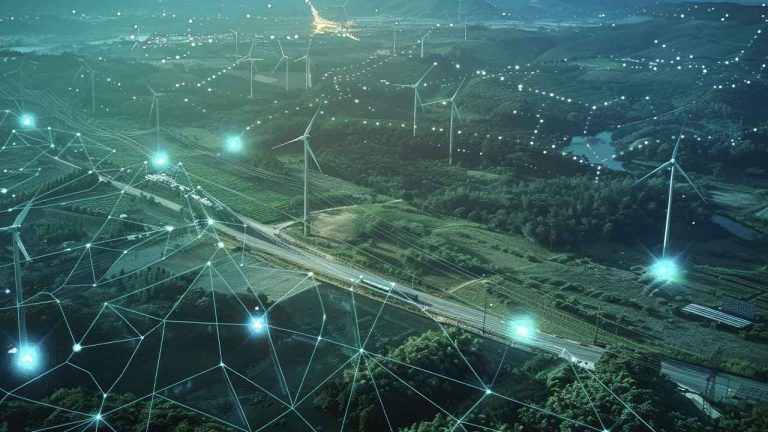
Transforming Grid Edge Communication: The Future of Intelligent Energy Systems
The energy sector is undergoing a fundamental shift as distributed generation, battery storage, and electric vehicle charging push intelligence to the grid edge. Traditional centralized SCADA architectures cannot keep pace with the millisecond-level decision-making required at…
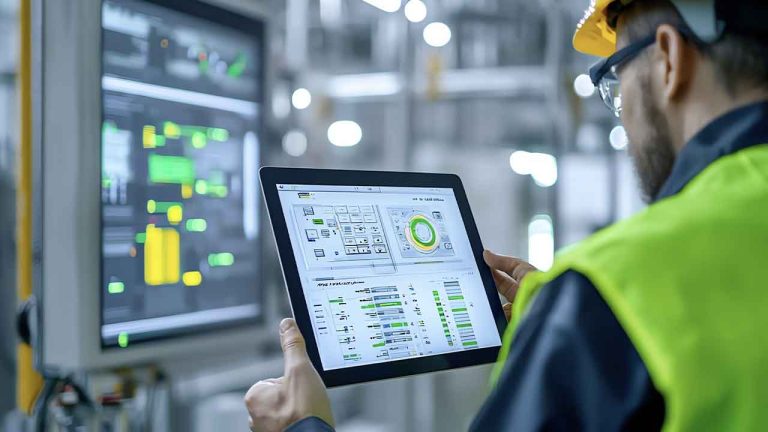
Optimizing Energy Efficiency in Manufacturing with Condition Monitoring
Energy costs represent one of the fastest-growing operational expenses in manufacturing, yet most facilities lack visibility into where energy waste actually occurs at the machine level. In this guide, IIoT World explores how condition monitoring, traditionally…
Standardizing Interoperability in Energy Storage Technologies
As grid-scale energy storage deployments accelerate worldwide, the lack of unified interoperability standards remains one of the sector's most pressing technical barriers. In this guide, IIoT World examines the protocols, frameworks, and industry initiatives that are…