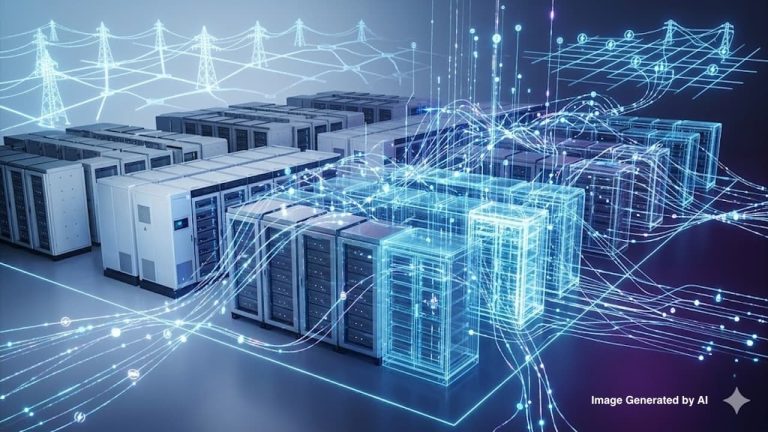

Brownfield digitalization is the practice of retrofitting digital tools, including IoT sensors, AI analytics, and digital twins, onto existing oil and gas infrastructure rather than replacing it. For operators managing aging processing plants or marginal wells, this approach improves uptime, safety, and operational visibility without requiring full-scale capital overhauls.
Why Is Brownfield Digitalization Needed?
Much of the oil and gas infrastructure in the U.S. and globally is decades old. Replacing these assets is frequently not financially viable, particularly for marginal wells or aging processing plants. Digital twins, advanced IoT sensors, and AI tools are increasingly being retrofitted to these legacy assets to improve uptime, safety, and operational visibility without full-scale overhauls.
How Do You Scale Brownfield Digital Projects?
A consistent recommendation from industry experts is to begin with a pilot program targeting high-impact pain points, such as reducing downtime at a remote pad site or improving maintenance workflows. Pilot programs refine both technical requirements and change management strategies before full-scale deployment.
Scalability is key. Operators are encouraged to build “version 1” digital twins with enough fidelity to support actionable use cases, while planning for future expansion. This approach minimizes upfront costs and maximizes long-term flexibility.
What Data Architecture Do Brownfield Sites Need?
Connecting legacy systems in oil and gas requires more than new sensors. It demands a coherent data architecture that supports interoperability across platforms and departments. Integrating SCADA data, manual records, and 3D scans into a single system allows operators to correlate information from disparate sources, converting raw data into actionable operational insights.
For most operators, that means investing in internal data teams or working with integration partners who understand the unique constraints of oil and gas environments. Poor data strategy is a frequent cause of failure for ambitious digital twin projects.
What Comes After Brownfield Digitalization?
Brownfield digitalization serves as a foundation for more advanced capabilities. Operators who master retrofitting existing infrastructure are better positioned to adopt AI-driven asset management, robotics, and remote inspection technologies. In a sector where margins are tight and regulations are increasing, modernizing existing infrastructure through IIoT and digital twin strategies is a practical path toward greater operational autonomy.
In a sector where margins are tight and regulations are growing, modernizing existing infrastructure isn’t just practical—it’s strategic.
This article was written based on insights shared during the session “Smart Operations in Oil and Gas: Leveraging IIoT for Efficiency,” part of IIoT World Energy Day 2025.
Related articles:
- Energy’s Silent Challenge: The Operational Bottlenecks of Data Volume, Not Data Access
- A Plant Asset Management Strategy Must Reflect the Next Normal Situation