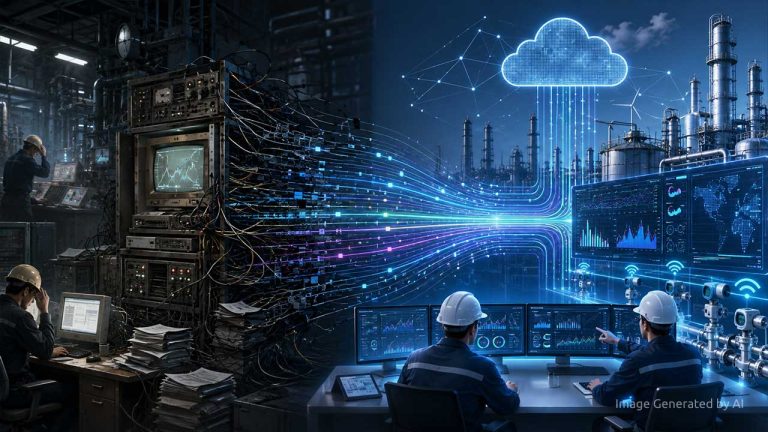
In IIoT-driven manufacturing, the engineer’s role is shifting from manual troubleshooting to building systems that detect and correct problems on their own. According to Zev Arnold of Accenture, speaking at IIoT World Manufacturing Day 2024, engineers must now function as system architects: configuring workflows, training algorithms, and defining anomaly detection rules rather than reacting to individual alarms.
Digital transformation isn’t just about plugging in new tools—it’s about changing how work gets done. One of the most powerful, yet under-discussed shifts in manufacturing today is the evolving role of engineers. As IIoT platforms become more capable, the goal is no longer just to troubleshoot equipment—it’s to build systems that learn, adapt, and improve on their own.
How Is the IIoT Engineer’s Role Changing?
In IIoT environments, engineers are moving away from reactive troubleshooting toward configuring systems that identify and resolve issues automatically. As Zev Arnold of Accenture described in ‘The Current State and Capabilities of Real-Time IIoT Platforms,’ engineers must now think like system architects: building workflows, training algorithms, and setting anomaly detection rules rather than responding to individual sensor alerts.
What Tools Do IIoT Engineers Use Today?
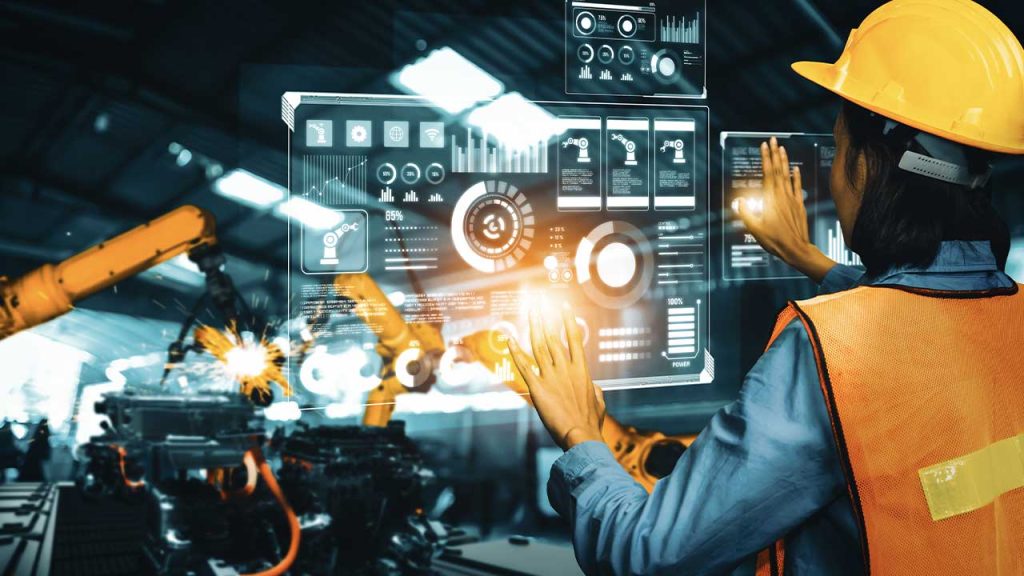
Modern IIoT platforms give engineers the ability to monitor far more assets by automating the first layer of analysis. Instead of manual data monitoring, engineers configure condition-based checks, sensor-driven logic, and predictive analytics that recommend maintenance actions before failures occur.
How Does IIoT Change Engineering Workforce Skills?
The shift to IIoT platforms requires engineers to develop skills in data modeling, contextual trigger logic, and system learning loops, areas that differ substantially from hands-on mechanical troubleshooting. This is a cultural change as much as a technical one. Organizations that invest in training, change management, and user-friendly IIoT platforms are positioned to see the fastest return on investment.
Does IIoT Replace Engineers or Augment Them?
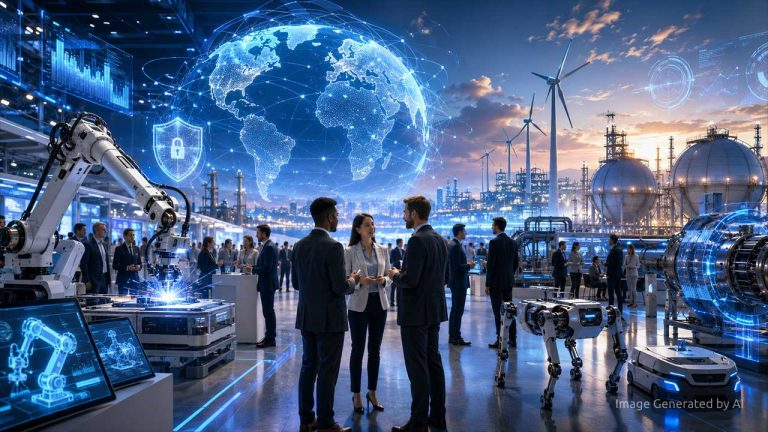
IIoT platforms act as a force multiplier for experienced engineers, giving them tools to make faster decisions across more assets without replacing human judgment. The manufacturers seeing the greatest results from IIoT deployments are those who treat the technology as a way to scale human expertise, where engineers and machines work together rather than in place of each other.
Source: Insights from the session “The Current State and Capabilities of Real-Time IIoT Platforms,” presented during IIoT World Manufacturing Day & Supply Chain Day 2024.
Related articles:
- Why New CNC Machines Sit Idle for Months
- How Tribal Knowledge and Trust Drive AI Adoption in Manufacturing
- NEBIUS and the Rise of the AI-Native Hyperscaler for Physical AI