
Energy costs represent one of the fastest-growing operational expenses in manufacturing, yet most facilities lack visibility into where energy waste actually occurs at the machine level. In this guide, IIoT World explores how condition monitoring, traditionally used for predictive maintenance, can be extended to deliver measurable energy efficiency gains across production lines. Readers will learn how vibration, thermal, and power quality sensors identify energy-wasting equipment degradation before it escalates, how leading manufacturers are integrating energy analytics into their existing condition monitoring programs, and what return on investment these combined strategies typically deliver in real-world deployments.
In today’s competitive manufacturing landscape, operational efficiency and sustainability are essential for long-term success. Industrial motors, which power manufacturing processes, account for nearly 60% of all electrical energy consumption. However, inefficiencies such as misalignment, wear, and improper operation lead to excessive energy waste, increasing costs and environmental impact.
The Role of Condition Monitoring in Energy Optimization
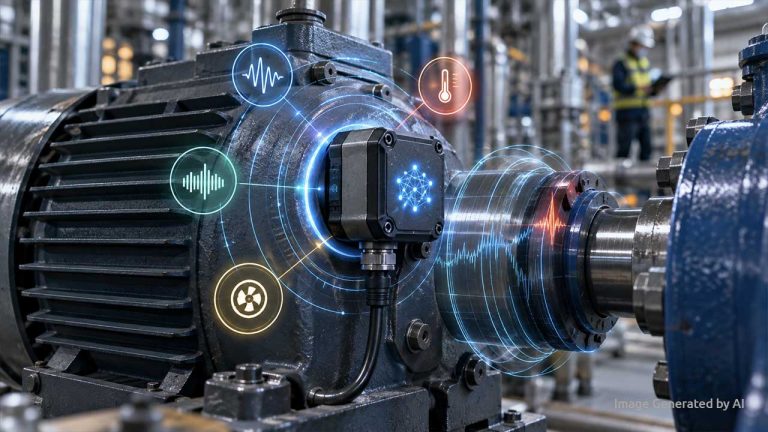
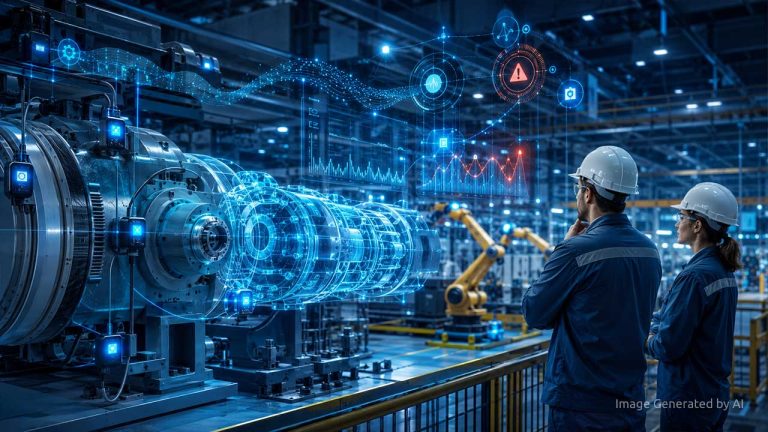
Condition monitoring uses non-invasive diagnostic techniques like vibration analysis, infrared thermography, and AI-driven data analytics to detect inefficiencies in industrial motors before they escalate into major failures. This proactive approach allows manufacturers to:
- Reduce downtime by preventing unexpected equipment breakdowns.
- Optimize energy consumption through real-time performance monitoring.
- Extend equipment lifespan by ensuring motors operate at peak efficiency.
- Lower operational costs by minimizing waste and unnecessary maintenance.
Implementing Condition Monitoring for Maximum Impact
To maximize energy efficiency, manufacturers should follow a structured approach:
- Identify critical equipment – Focus on high-impact machinery with the greatest energy consumption.
- Select the right monitoring technology – Use sensors and AI-driven analytics to detect inefficiencies.
- Ensure strategic sensor placement – Position sensors for accurate, real-time data collection.
- Continuously monitor performance – Track anomalies and energy fluctuations.
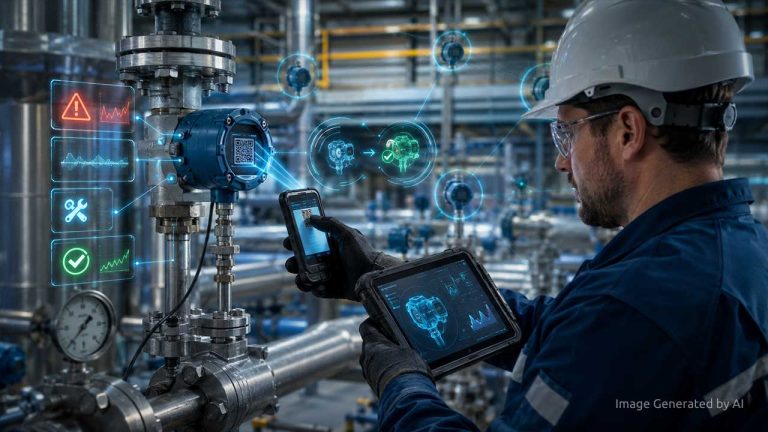
- Act on insights – Address inefficiencies before they lead to increased costs or failures.
Real-World Impact: Energy Savings in Water Utilities
A major UK water utility implemented condition monitoring across 300+ pumping stations. AI-driven analytics identified a resonance issue in a variable-speed pump, leading to excess energy consumption. By detecting the issue early, the utility optimized energy usage, reducing costs while improving infrastructure reliability.
The Future of Energy-Efficient Manufacturing
Advancements in IoT, AI, and predictive analytics are revolutionizing maintenance strategies. By integrating smart monitoring solutions, manufacturers can enhance energy efficiency, improve equipment reliability, and support sustainability goals.
Source: This article summarizes the original piece from Nanoprecise. Read the full version here: Reducing Excess Energy Consumption in Industrial Equipment.
Related articles:
FAQ Section
1. How does condition monitoring improve energy efficiency in manufacturing?
Condition monitoring uses non-invasive diagnostic techniques like vibration analysis, infrared thermography, and AI-driven data analytics to detect inefficiencies in industrial motors before they escalate into major failures. Industrial motors account for nearly 60% of all electrical energy consumption. By identifying issues such as misalignment, wear, and improper operation early, manufacturers can optimize energy consumption through real-time performance monitoring and extend equipment lifespan by ensuring motors operate at peak efficiency.
2. What types of sensors are most effective for energy-focused condition monitoring?
Vibration analysis sensors detect mechanical inefficiencies such as misalignment and wear that cause excessive energy waste. Infrared thermography identifies heat-related losses and equipment degradation. AI-driven data analytics tools process data from these sensors to surface actionable insights. Manufacturers should focus on high-impact machinery with the greatest energy consumption, ensure strategic sensor placement for accurate real-time data collection, and continuously monitor for deviations from baseline performance.
3. What implementation steps should manufacturers follow when deploying condition monitoring for energy optimization?
Manufacturers should follow a structured approach: identify critical equipment by focusing on high-impact machinery with the greatest energy consumption; select the right monitoring technology using sensors and AI-driven analytics to detect inefficiencies; ensure strategic sensor placement for accurate, real-time data collection; and continuously monitor performance to catch deviations early. This proactive approach reduces downtime, lowers operational costs by minimizing waste and unnecessary maintenance, and can achieve 5-20% reductions in total energy costs within the first year.
Related from IIoT World: